The engine
Table Talk
A small group, around one question that is actively changing the work — sometimes behind a closed door, sometimes in front of an audience. Peers do the talking either way, with something built around it afterwards.
How we work
Business and thought leadership follow from that, not the other way round. It’s why the aim is always the same: build the best relationships by building the best rooms, with the person behind the title always the starting point.
The difference
A stage means an audience, and an audience means rows of people who came to watch rather than to talk. The sessions are often the reason people come, and the best of them are worth the trip. What people tend to remember, though, is the conversation that followed one. It happens later — at the bar, on the walk back, in the gap after the formal part ends, when the guard comes down and the real conversation starts. That is the moment everyone half-remembers and nobody has ever been able to book.
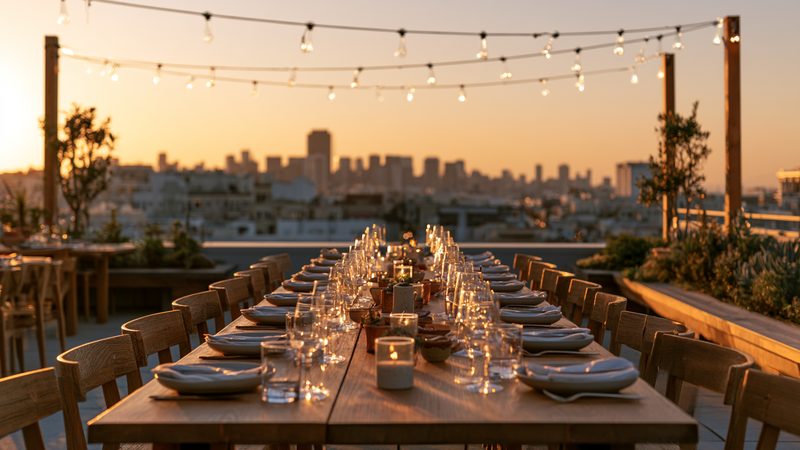
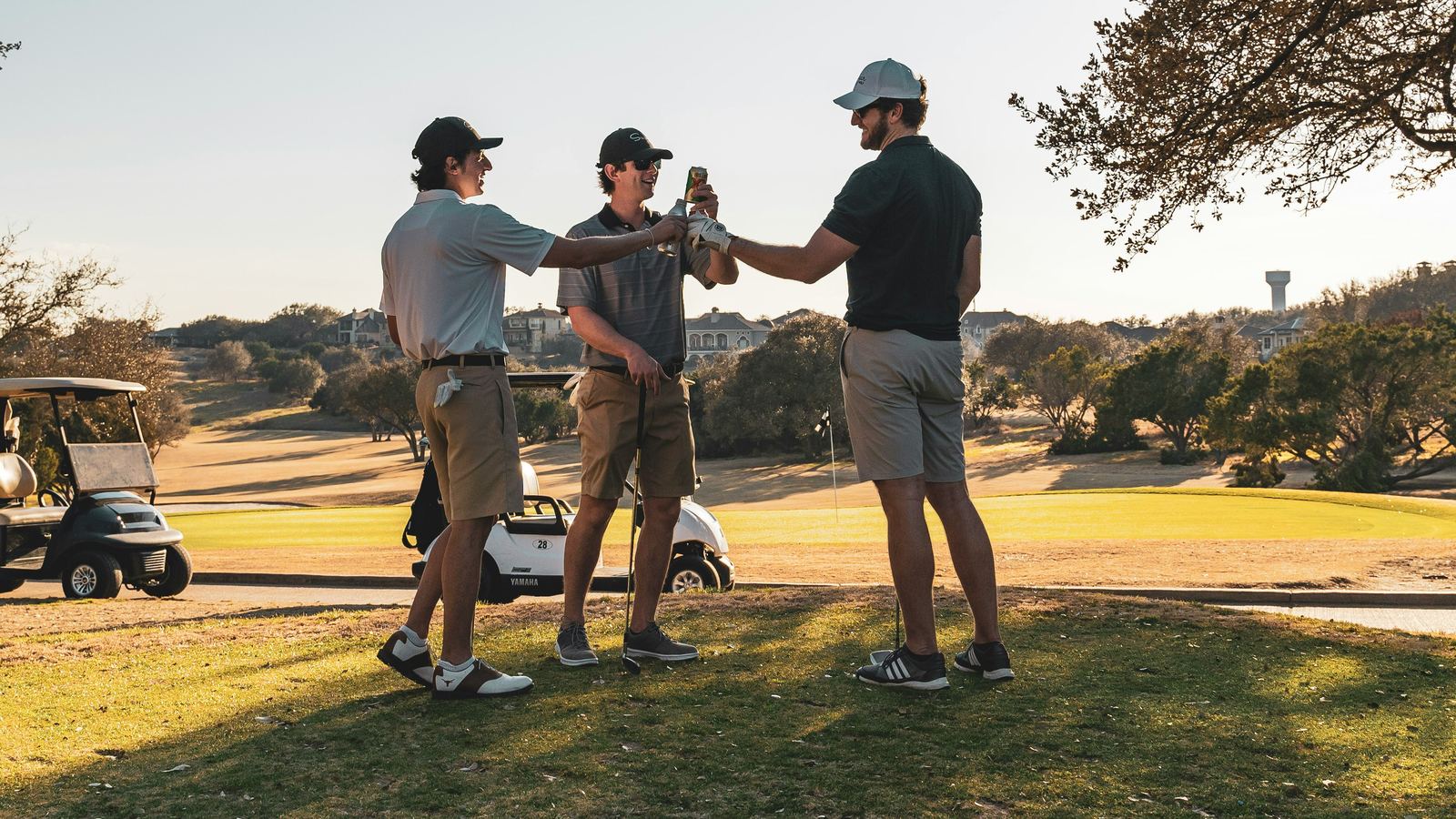
Futr Keystone is built around that moment on purpose, rather than around the stage that usually delays it until the flight home. The human experience comes first — a round of golf, a long table for the evening — and the business conversation and the thought leadership are what naturally follow it, not what the day is sold as.
The setting is chosen to match the people in it — a private box at the hockey, a chef’s table, a kitchen where the evening turns into a dumpling-making competition. The fun is the point: it’s what turns a contact into a relationship.
Why it works
Nobody in the room is asked to perform before they have had the chance to relax into it. The golf, the walk, the wine at dinner — that comes before anybody is asked to think about work, because it is what makes the thinking honest when it does arrive.
There is a working session in every fixture, and it always comes after the human part, never instead of it. Nobody presents to a room of strangers. They talk to people they have already spent a day, or several days, getting to know.
No lanyard, nothing scanned, and no list handed to anybody afterwards. You see who is in the room before you commit and you can strike a name, but there is no copy to take away. What you leave with is a relationship you built yourself, not a contact you were assigned.
What Futr Keystone builds
Table Talk is the room we run most often, and the two fixtures are built to the same design. Neither fixture has a date against it yet, and neither is the ceiling on the idea. Further rooms are built through the year as the right room presents itself — the test is always the same design, not a fixed number of fixtures.
The engine
A small group, around one question that is actively changing the work — sometimes behind a closed door, sometimes in front of an audience. Peers do the talking either way, with something built around it afterwards.
The fixture
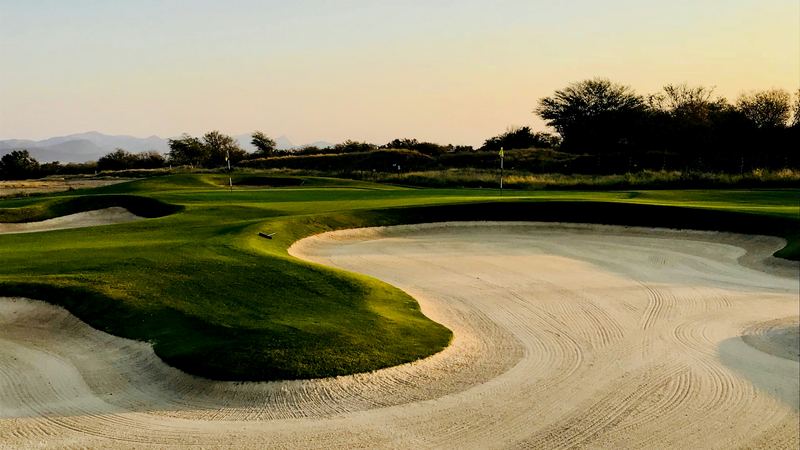
The first edition pairs a room with a contest: the morning on the questions the industry is actually asking, the afternoon on the course. Teams are drawn rather than entered, nobody plays their own client or their own supplier, and no supporter is in the room while it works. Business follows the day, never the other way round.
The next step
A few quick fields — first name, surname, position, company. Asking costs nothing, and the invitation itself is never for sale. I reply personally from my own address within a week.
Declining costs you nothing and the invitation stands next time. You will not be added to a mailing list either way.