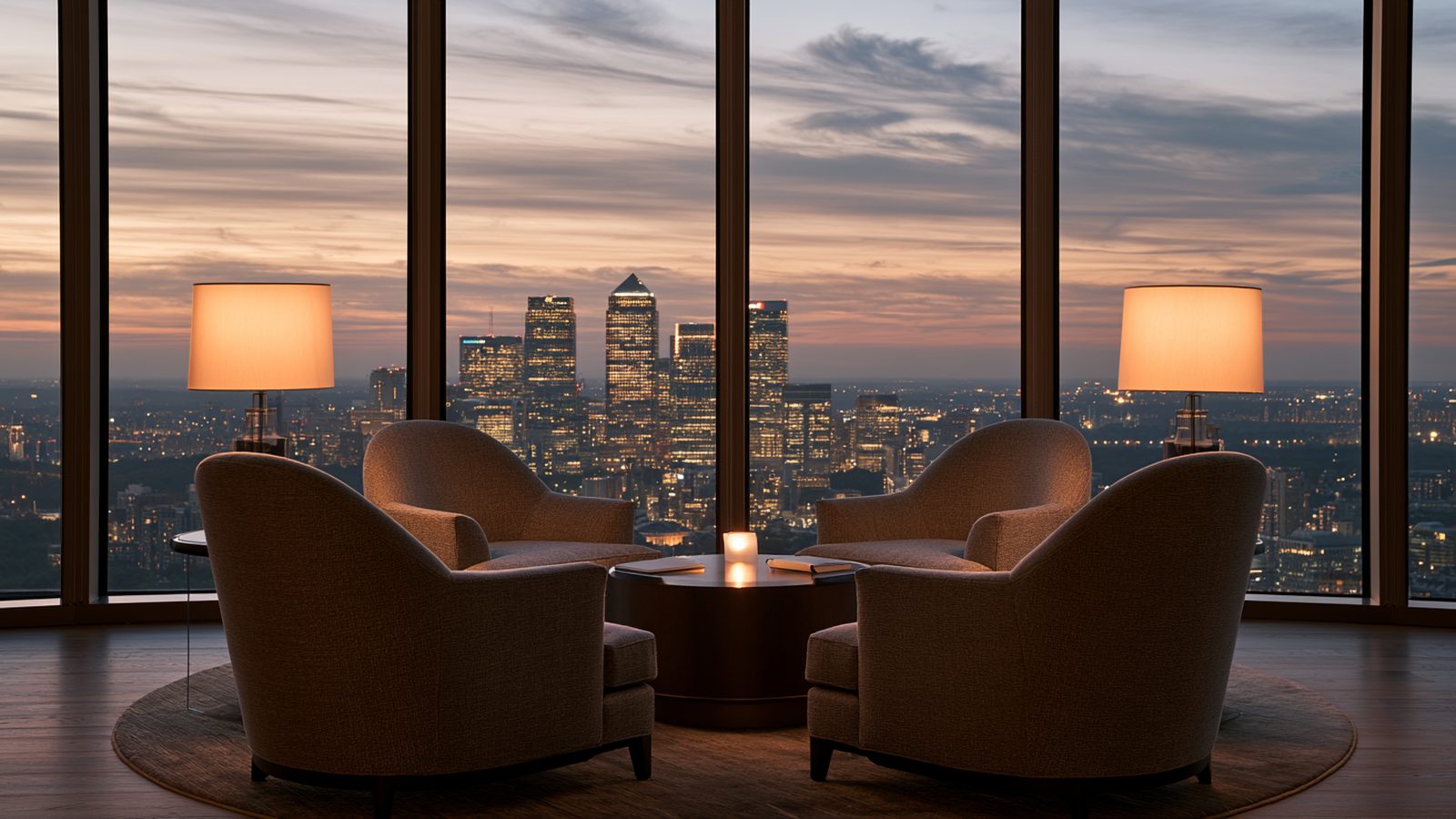
Four armchairs drawn around a low table in a top-floor lounge, city lights beyond the glass at dusk.

The Rooms

Small rooms, built for the people who are in them.

Two formats, one rule: nobody in the room is selling to anybody else in it. How that gets enforced changes with the format, and each page says exactly how.

What we run

Two kinds of room. Every event we build is one of them.

Formats first, so the calendar can grow without the idea changing. No industry sits still. Every format brings in outside insight from people living the change, and the peers you’ll call when you need a second opinion.

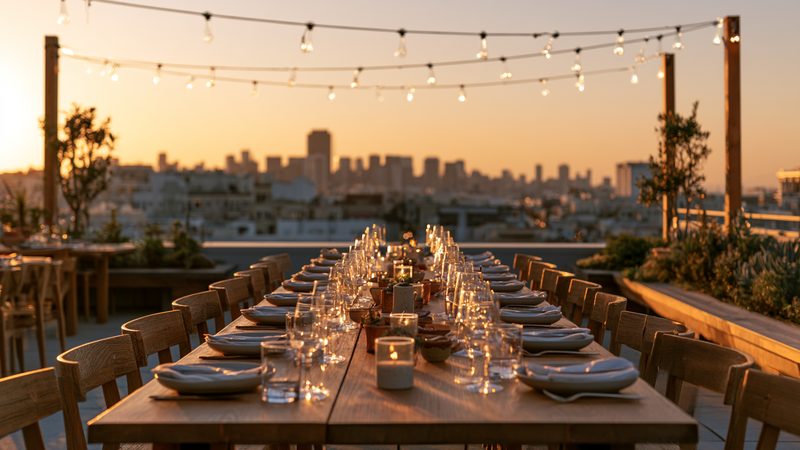
A long table laid on a rooftop at dusk, string lights above and the skyline behind.

Table Talk

One subject, one room, one conversation worth having.

Local rooms on a pressing topic, run under the old Chatham House rule. Most are closed rooms of peers; some are open rooms, a small panel in front of a host’s audience.

Who is in the roomPeers. In a legal room, in-house only. Supporters come one to a company. Invitees attend free.

What happensOne question, kept to time, nobody at the front. Then coffee, or an evening.

What you leave withPeers to call, and a written account of the room, without names.

What we never doSell in the room, sell a seat, or hand over a list.

A wide course in a river valley, low sun, hills closing the far end.

A Friendly Contest

Two sides, one day, and a result worth arguing about.

Client and adviser on opposite teams, on a contest built for them: a round of golf, a raft build, whatever the group calls for.

Who is in the roomDecision-makers and their advisers, on teams drawn rather than entered. Every place is by invitation, playing or not.

What happensOne day: the room first, then the contest, finishing on the 19th.

What you leave withPeople you now know, a film of the day, a result that carries over.

What we never doLet anybody choose their opponents, or sell a session.

Want the same people back? Table Talk also runs as a series: A Seat at the Table, Answers on the Table, Back at the Table.

How the series works

For teams and organisations that want something bigger, we build bespoke events on request.

The setting

Somewhere worth the evening, with people worth the conversation.

The people come first, chosen one name at a time. The setting is chosen to match them. The conversation is the reason to come; the setting is why nobody wants to miss it. The fun is the point: it’s what turns a contact into a relationship.

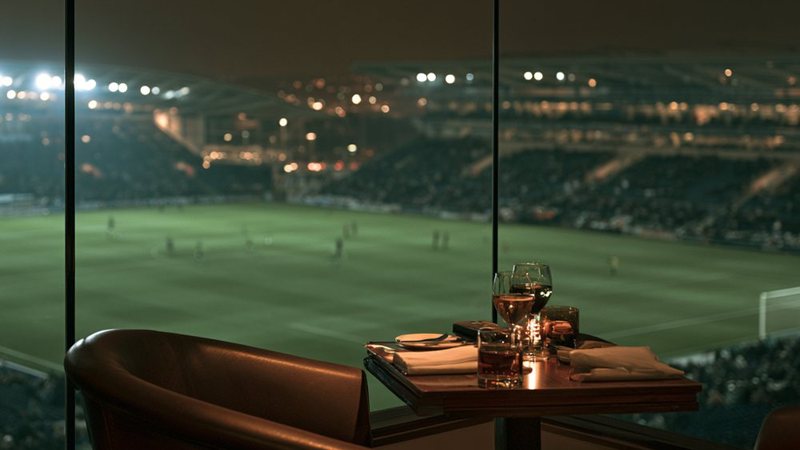
A private box at a stadium, a table set by the glass, the pitch lit up beyond it.

An easy yes

A private box at the hockey

An invitation people answer quickly — the conversation first, then the game, and the evening people talk about afterwards.

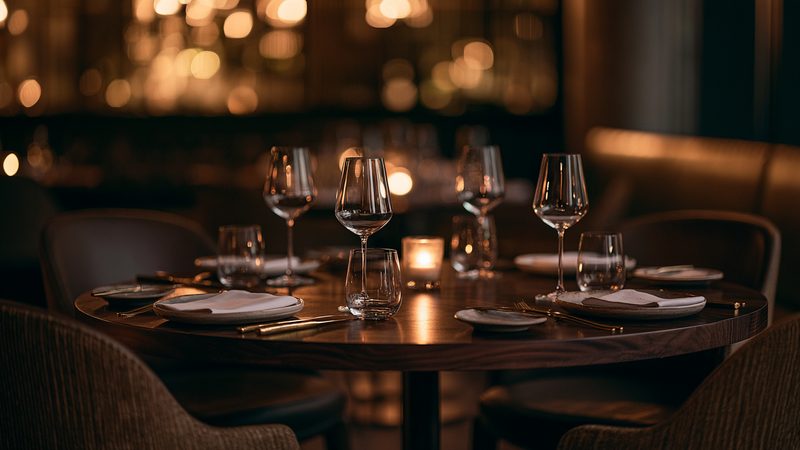
A small round table set for dinner in a quiet modern restaurant, candle lit.

Something to share first

A chef’s table, or a dumpling-making contest

Folding dumplings badly beside a general counsel you’ve just met does more than any introduction.

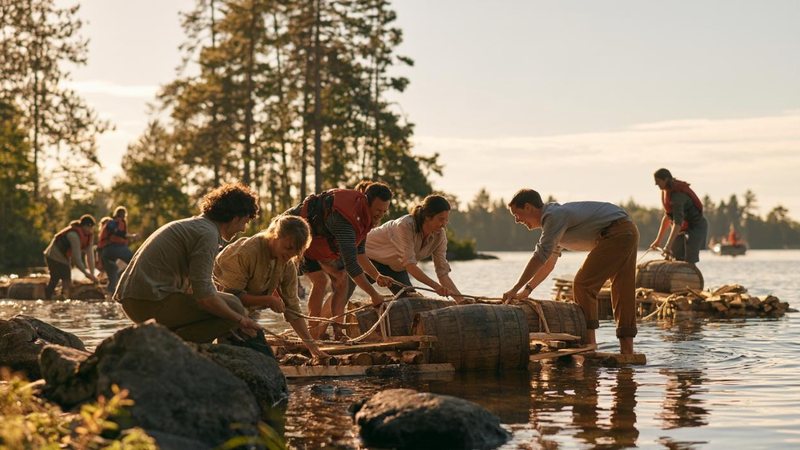
Two teams lashing barrels into rafts at the edge of a lake in late sun.

The format is the icebreaker

A game on the water, or a round of golf

Travel, sport and the arts give people something to talk about before they talk about themselves.

What doesn’t change by format

Nobody outnumbered by their own supplier. No list leaves the room. No speaking slot for sale.

Every room is a decision about who’s in it, never a target being hit and never something bought into. That’s true whichever format you’re in.

  1. 01 Nobody in the room is selling

    In a Table Talk session that means peers only: the people the room was built for, and nobody there to sell. In a legal room, and in a contest’s afternoon roundtables, that still means in-house only.

  2. 02 Nobody buys the right to speak

    No session is named after a company and no one supplying a speaker has paid for the slot. That rule costs money and it is not for sale.

  3. 03 No badges, and no list leaves the room

    You see who is in the room before you commit and you can strike a name. Nothing is scanned, and no list is handed to anybody afterwards, least of all to anybody selling. You still leave with the numbers you want, because you asked for them yourself.

  4. 04 Declining costs you nothing

    Say no and the invitation stands next time. You are not added to anything for having read this.

From the rooms

Filmed conversations, footage from the day itself, and written notes from the rooms — now over on Content & Insights

One ask, and only one

Ask for an invitation.

Tell us which room interests you and why. There’s no fee — every seat is decided, not sold or signed up for, and that’s what keeps the room worth being in. A person reads every one.

Ask for an invitation